
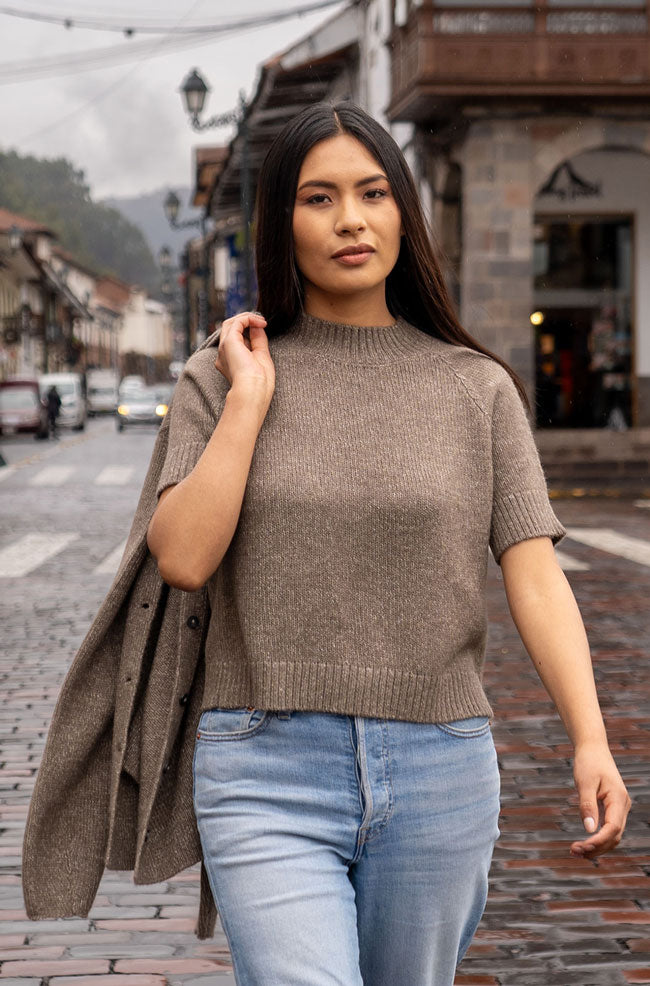

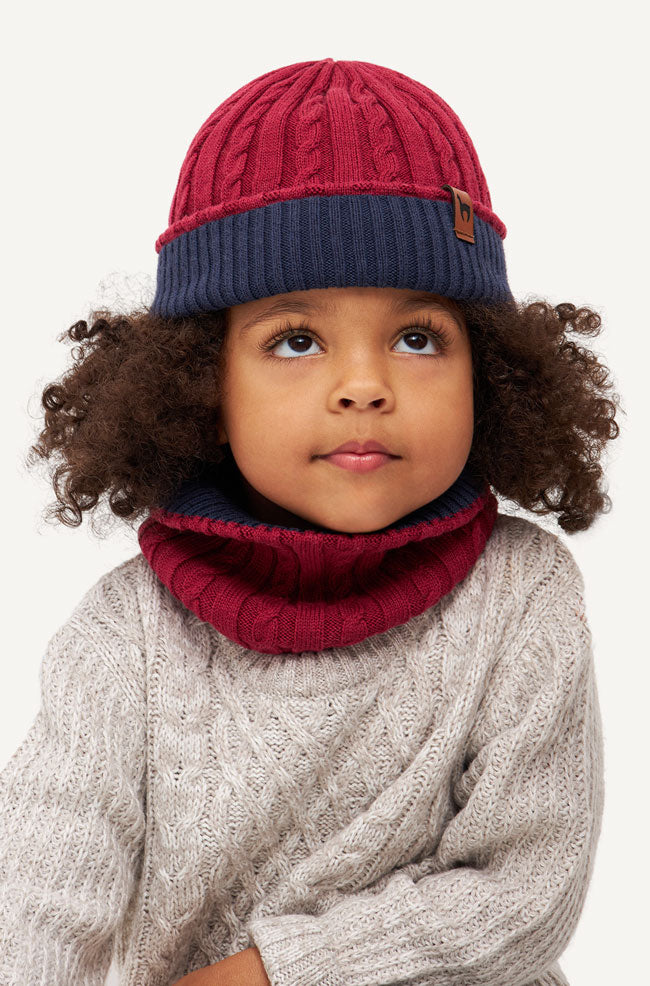
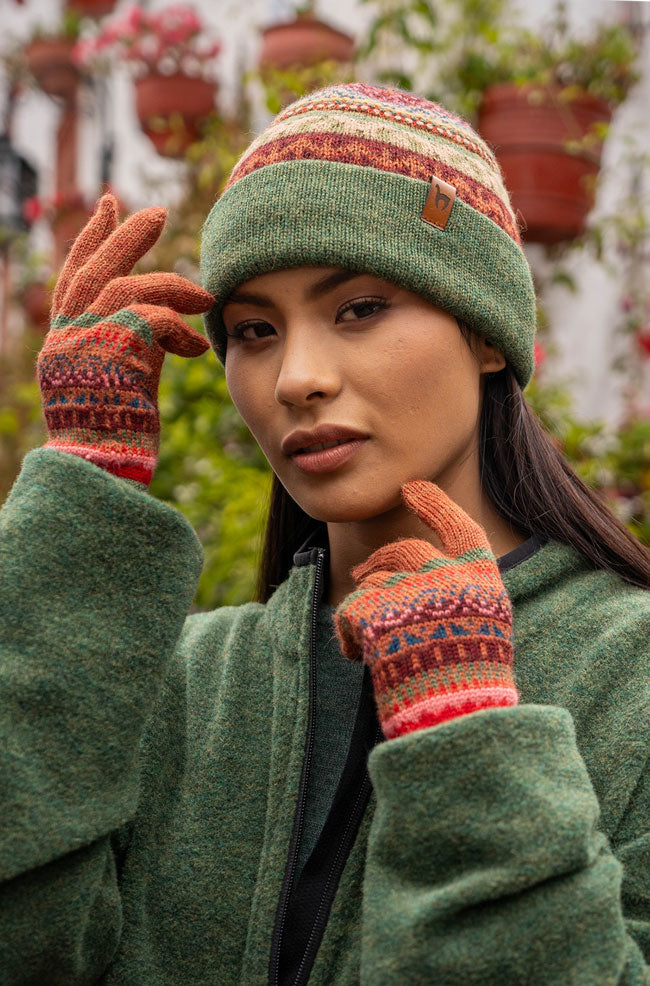
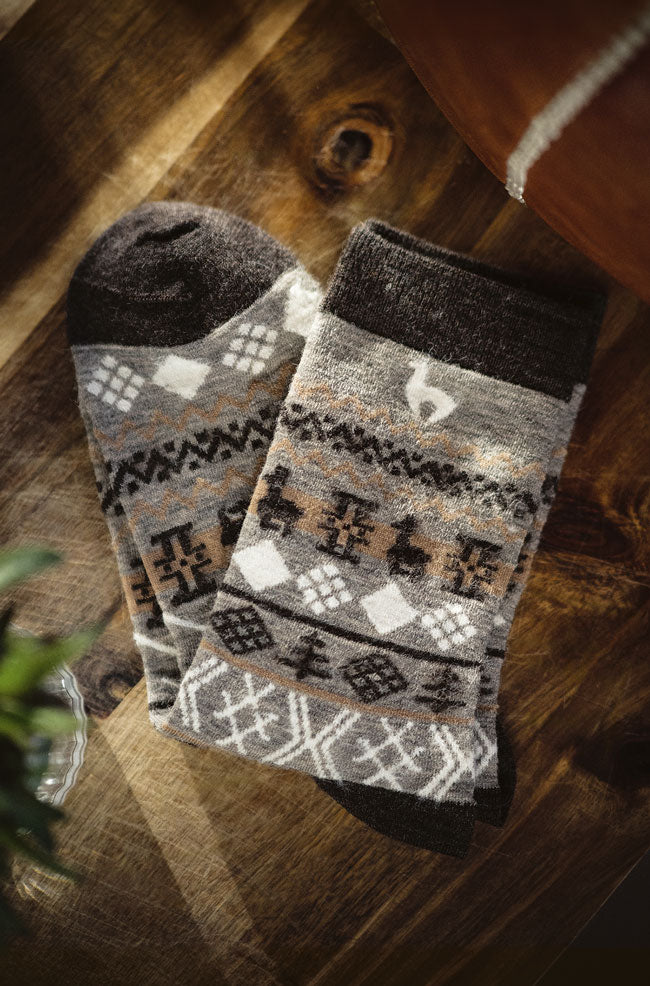
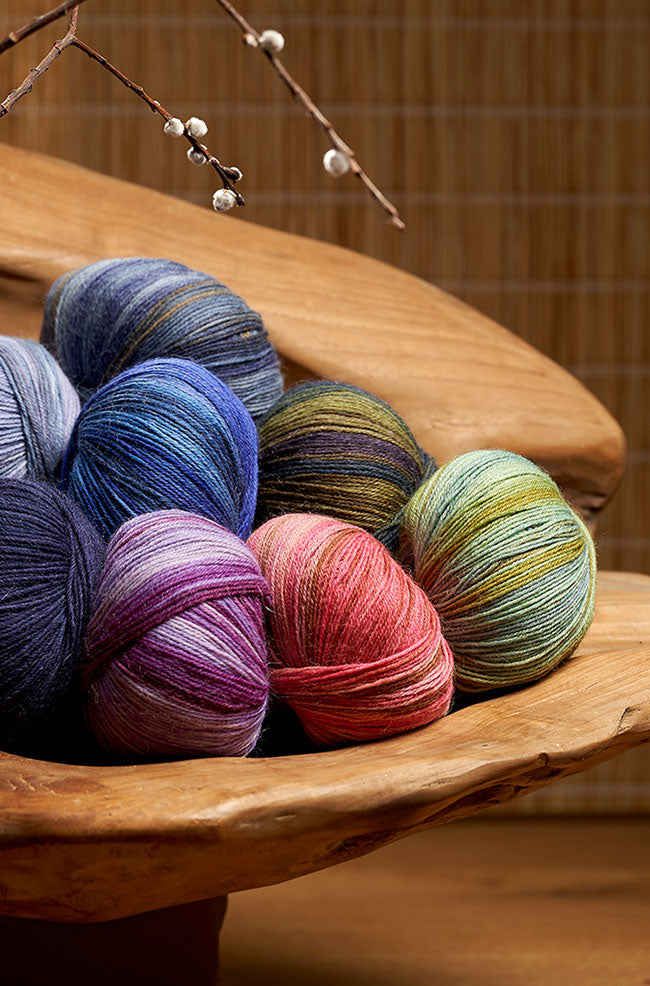
Alpaca. Our Passion.
For more than 4,500 years, alpaca has been treasured in the Peruvian Andes. This fine natural fibre is deeply rooted in the culture and craftsmanship of the Andean people and continues to offer natural warmth, lightness, and exceptional softness to this day.

sustainable

Soft

Natural Pure

Breathable

durable
Fine & hard-wearing
About Alpaca Fiber
In the Peruvian Andes, alpacas live under extreme climatic conditions at altitudes of up to 5,000 metres – and it is precisely there that their fibre develops its unique properties.
Alpaca fibre is one of the finest animal-based natural fibres and, like cashmere and mohair, is classified as a protein fibre.
Compared to traditional sheep’s wool, alpaca fibre has a finer and smoother scale structure. Combined with the fineness of the fibre, this gives it an exceptionally soft feel.
Fibre fineness is measured in microns and, depending on the quality, ranges from 15 to 36 microns. As a general rule, the lower the micron count, the finer and softer the fibre feels. Alpaca fibre is therefore often perceived as particularly comfortable and less itchy against the skin.
Once a year, the animals are gently sheared, and afterwards, the fibers are sorted by hand according to color and fineness.
The further processing is also comparatively resource-efficient: Due to the low lanolin content, alpaca fiber requires less energy and chemicals for cleaning than many other animal fibers.
Alpaca fibre offers excellent thermal insulation. Its fine fibres retain heat efficiently while remaining pleasantly lightweight against the skin.
At the same time, alpaca fibre helps maintain a balanced and comfortable body climate. It can absorb and transport moisture without quickly feeling wet, providing a high level of comfort in both cold and changing temperatures.
The fibre is naturally water-repellent and resistant to dirt. Liquids penetrate only slowly, making stains and dirt easier to remove.
As alpaca fibre is virtually free from lanolin, it requires less intensive washing during processing than sheep’s wool and is often considered particularly comfortable for sensitive skin.
Alpacas live at altitudes of up to 5,000 metres in the Peruvian Andes, where they are exposed to extreme temperature fluctuations. These conditions give their fibre its exceptional insulating properties.
Alpacas are considered particularly gentle on the environment. When grazing, they generally do not pull plants out by the roots, helping to preserve the vegetation. Their soft footpads also have significantly less impact on the ground than hard hooves, contributing to the sustainable management of grazing land.
The fibre itself also stands out for its sustainability. With proper care, alpaca fibre is exceptionally durable. Thanks to its low lanolin content, the raw fibre requires less water, energy and chemicals during processing than many other animal fibres.
Alpacas have an exceptional natural variety of colours. Their fibre comes in numerous natural shades, ranging from white and cream to various tones of brown and grey, as well as deep black.
There are 22 recognised natural colours in total, which can be further divided into many additional shades. Many of these colours can be processed without artificial dyeing, highlighting the natural character of the fibre.
The natural earthy tones give alpaca products their distinctive depth and timeless appeal.
Alpacas are divided into two distinct fibre types, or breeds: Huacaya and Suri.
Huacaya is the more widespread type. Its fibre has a soft, crimped structure and a voluminous character, making it ideal for exceptionally warm and soft knitwear.
Suri fibre, on the other hand, grows in long, smooth strands with a silky drape and natural lustre. Its smoother structure reflects light beautifully, giving textiles a flowing and luxurious appearance.

A toast to alpaca fiber
At high altitudes in the Andes, alpacas are exposed to extreme temperature fluctuations – from intense sunshine during the day to freezing cold nights. Their fine fibre is perfectly adapted to these conditions: tiny air pockets retain warmth and provide a pleasantly balanced and comfortable feel.
Special fiber structure
A Comparison
The fineness of a natural fibre is measured in microns, or micrometres (µm). The lower the value, the finer and generally softer the fibre feels. However, the actual quality also depends on factors such as sorting, uniformity, fibre length and processing.
For comparison:
- Human hair: approx. 70 microns
- Alpaca fibre for high-quality knitwear: approx. 19–27 microns
- Royal Alpaca: max. 19 microns
- Vicuña: approx. 11–13 microns
Approx. 23–26 microns
Slightly more robust, yet still soft and comfortable – ideal for durable knitwear with a pleasant feel.
Approx. 20–23 microns
Exceptionally soft, lightweight and pleasant against the skin. “Baby Alpaca” does not refer to the age of the animal, but exclusively to the fineness of the fibre.
Under 19 microns
An exceptionally fine premium quality with a particularly soft feel and luxurious comfort.
Approx. 18–24 microns
Fine Baby Alpaca quality made from Suri fibre. It is characterised by its silky lustre, flowing drape and smooth, elegant texture.
Approx. 16–18 microns
A particularly fine selection among the highest-quality alpaca fibres. Even finer and softer than Royal Alpaca – exceptionally exclusive and rare.
Approx. 13–19 microns
A rare South American wild fibre. The fine undercoat is exceptionally soft, lightweight and warm; for high-quality yarns, it is carefully separated from the coarser guard hairs.
Approx. 13–19 microns
A rare South American wild fibre. Its exceptionally fine undercoat is remarkably soft, lightweight and warm. For the finest yarns, the delicate undercoat is carefully separated from the coarser guard hairs.

Frequently Asked Questions
for alpaca fiber
Our alpaca fibre comes primarily from small family-owned herds of around 50 to 100 animals in the Peruvian Andes. Thousands of local farming families rely on alpaca breeding for their livelihood, caring for their animals with great dedication and keeping them outdoors year-round, where they have ample space to roam.
The alpacas are traditionally shorn once a year, a process that takes only a few minutes per animal. Afterwards, the fibres are carefully sorted by hand according to colour and fineness. This meticulous selection is a highly skilled craft that has been passed down through generations.
Our alpaca fibre is then processed in our production facilities in Cusco, Arequipa and Lima, Peru, where we are committed to fair wages and safe working conditions.
Would you like to learn more? Discover more about APU KUNTUR’s fair and sustainable production practices.
No, of course we do not use the fibre of baby alpacas. The term Baby Alpaca refers exclusively to a fibre quality, not to the age of the animal.
Baby Alpaca describes exceptionally fine, premium-quality alpaca fibre. It is as soft and delicate as the fibre typically found on the youngest alpacas. To be classified as Baby Alpaca, the average fibre diameter must not exceed 23 microns (µm).
Suitable for Allergy Sufferers
Our alpaca collection is particularly well-suited for allergy sufferers! Alpaca wool contains very little wool grease – known as lanolin.
Alpaca fibre contains very little natural wool grease, known as lanolin. Lanolin is a natural wax found in sheep’s wool that can cause irritation for some people with sensitive skin.
Because alpaca fibre is virtually lanolin-free, it is often particularly well suited for babies and people with sensitive skin. This makes our alpaca sweaters, cardigans, scarves, hats, gloves and even thermal underwear especially comfortable to wear.
Caring for alpaca garments is simple. Thanks to its exceptionally fine fibre structure, alpaca absorbs odours only slowly, allowing them to dissipate naturally. Instead of washing your alpaca sweater after every wear, simply hang it outside or in a well-ventilated room for a few hours. In most cases, this is enough to refresh the garment and naturally remove odours and minor creases.
Alpaca fibre is also remarkably durable. It is naturally wrinkle-resistant and, with proper care, less prone to pilling than many other natural fibres.
When washing, avoid high temperatures and excessive detergent, as these are the main causes of damage to alpaca fibres and may cause garments to lose their shape. We recommend hand washing or using your washing machine’s hand-wash or wool cycle with a mild, lanolin-free wool detergent.
After washing, gently reshape the garment while it is still damp and allow it to dry flat. Never hang knitted garments to dry, as this can cause them to stretch and lose their shape. Tumble drying should also be avoided, as heat can cause the fibre structure to shrink.
For more detailed care advice, please visit our Alpaca Care Guide.